B-17 Wreck | Calvì, Corsica
An American heavy bomber that crash-landed off the coast of Calvi, Corsica, in 1944
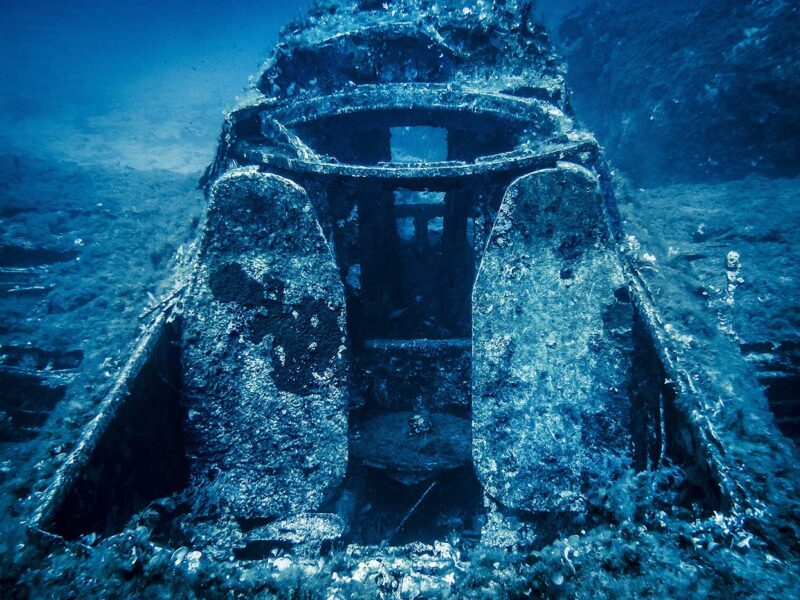
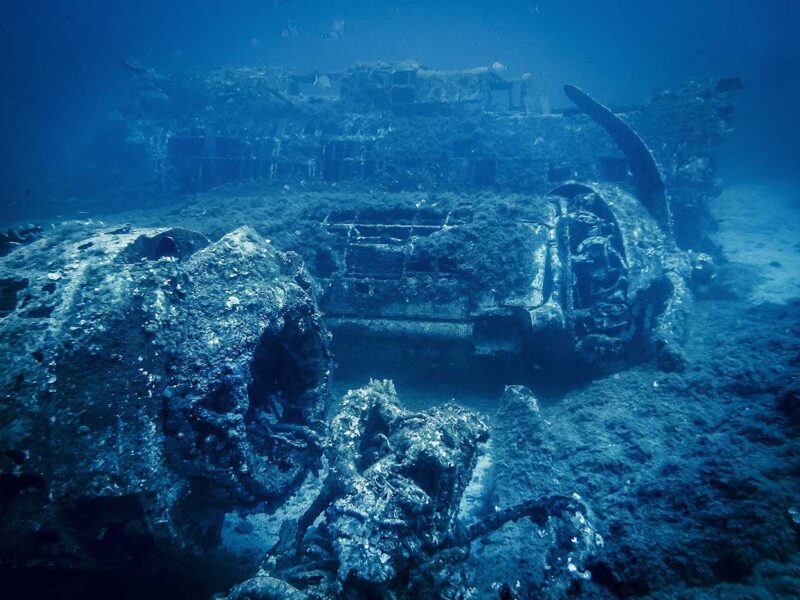
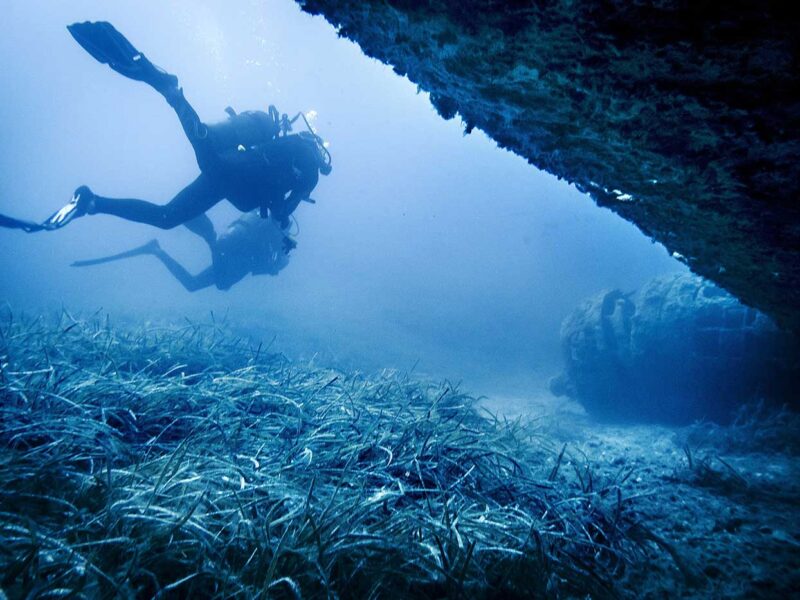
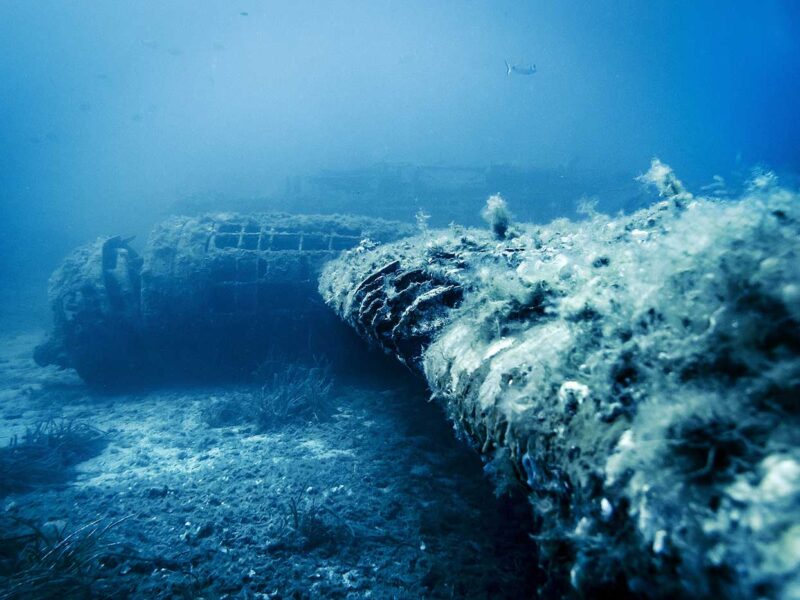
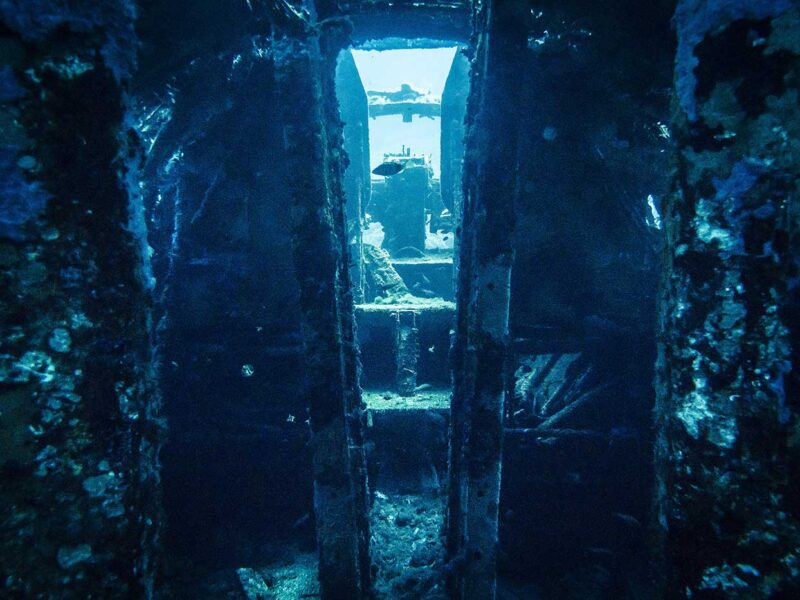
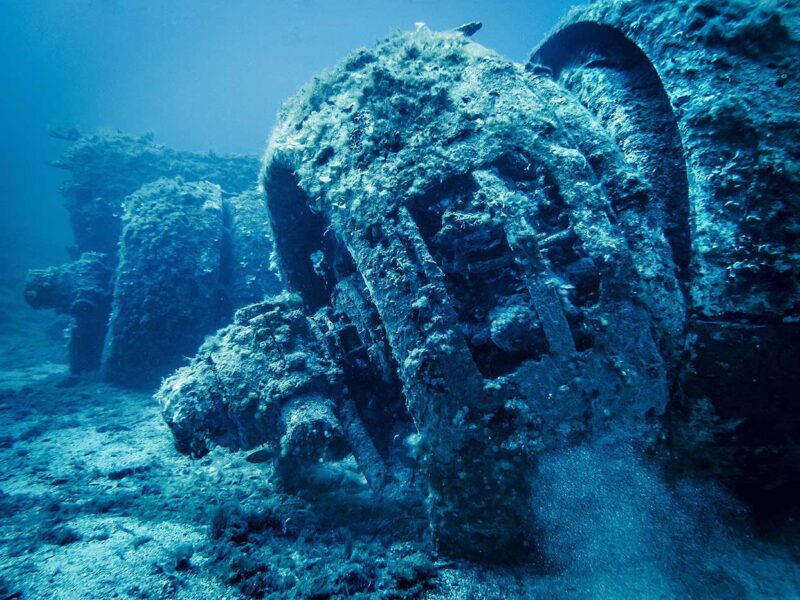
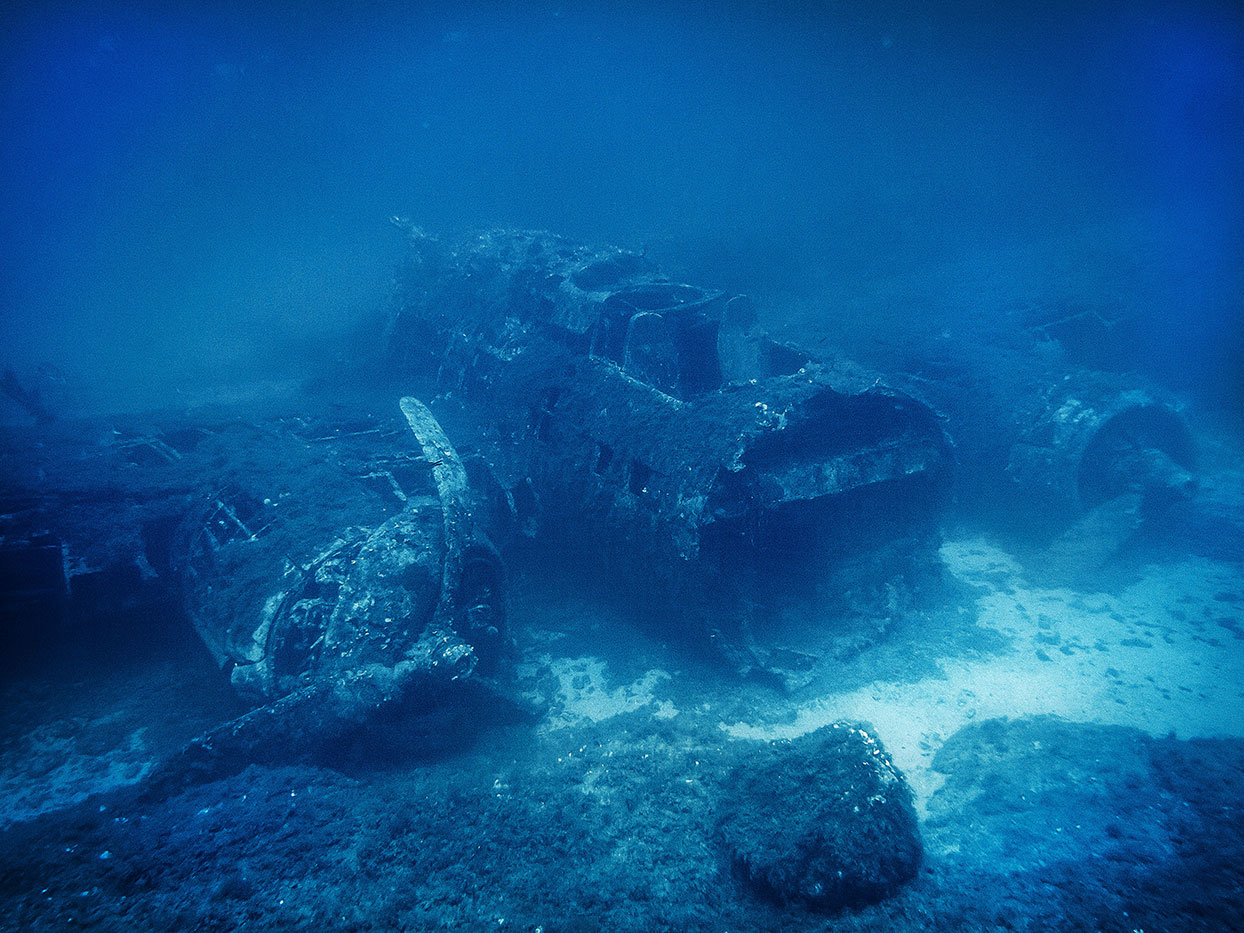
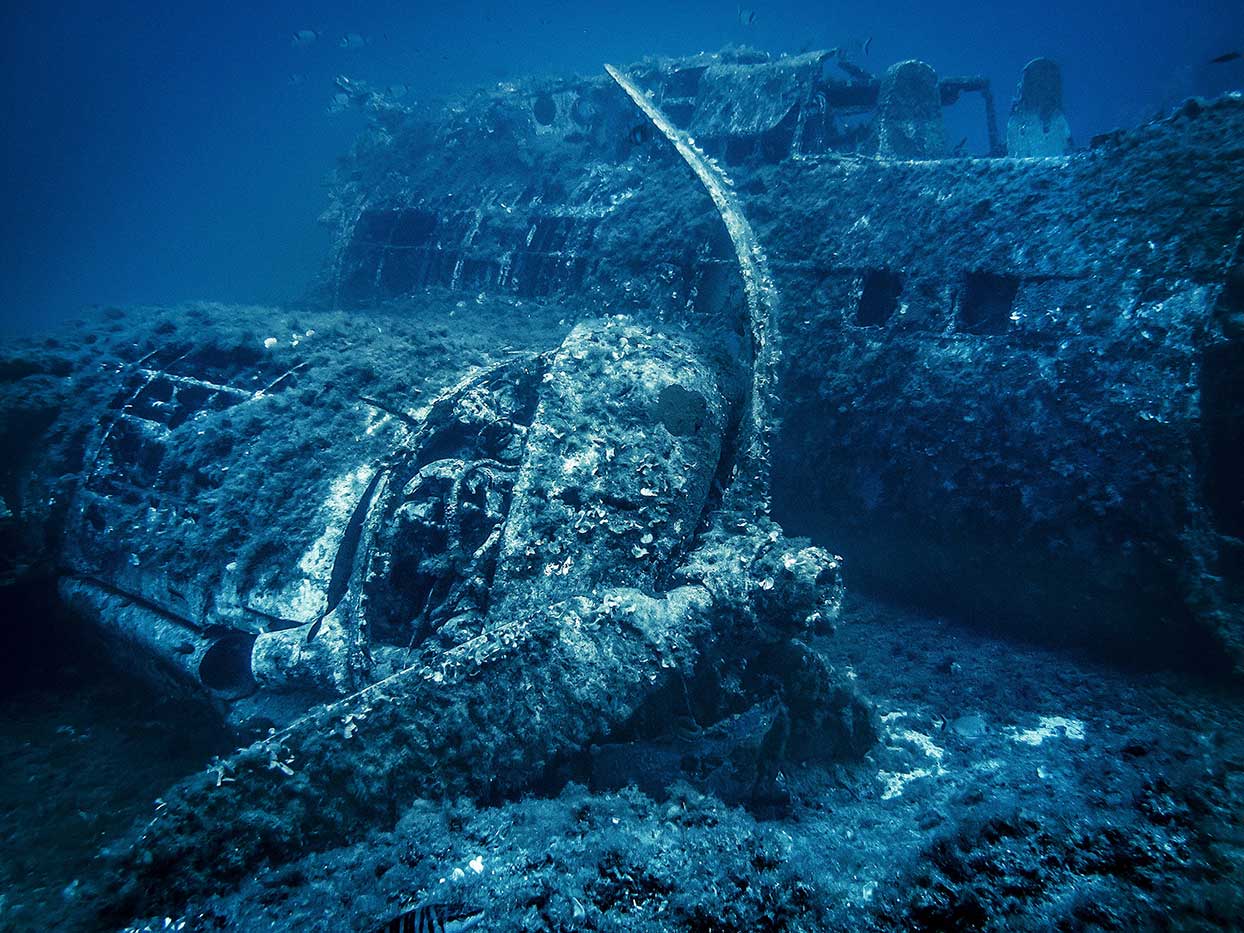
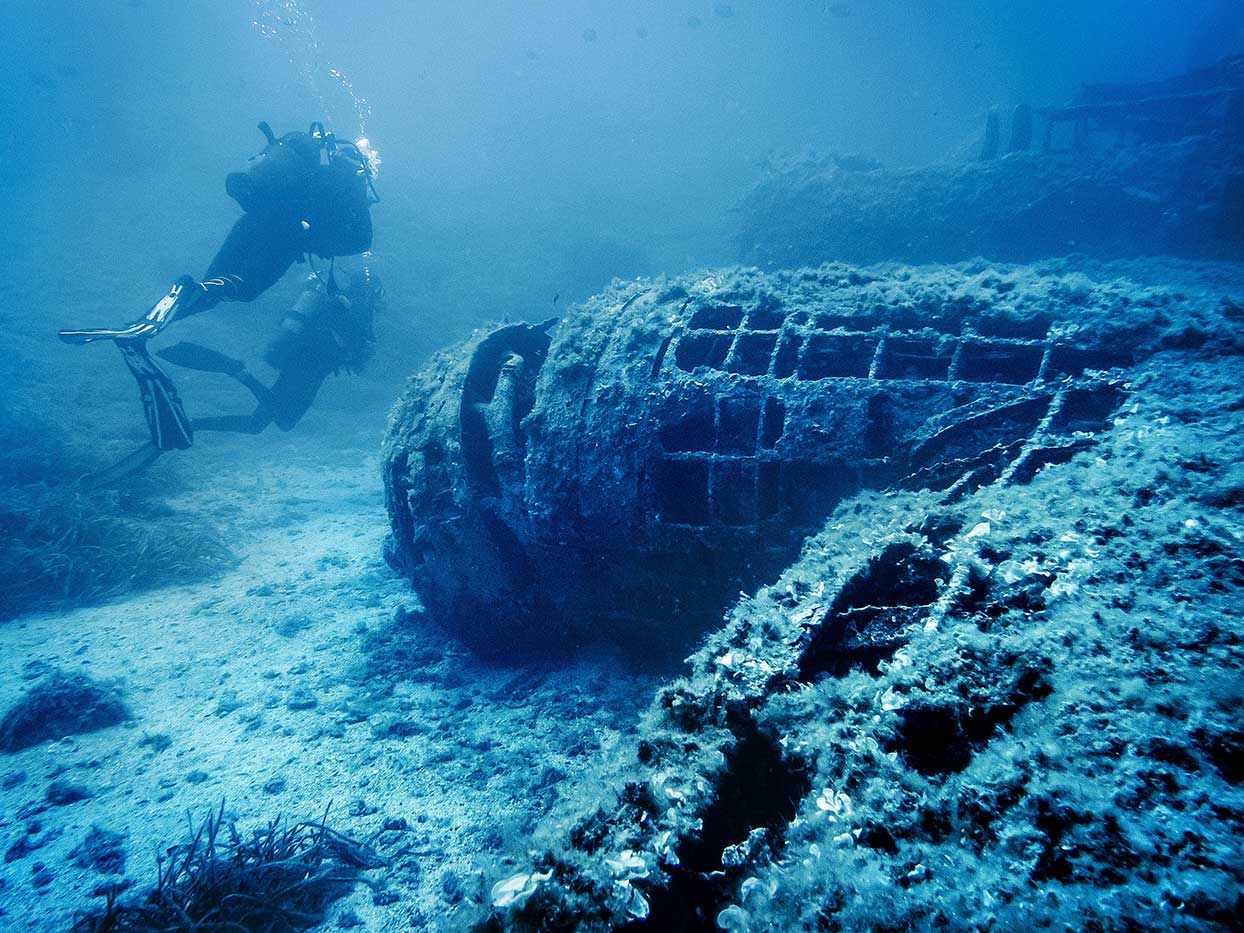
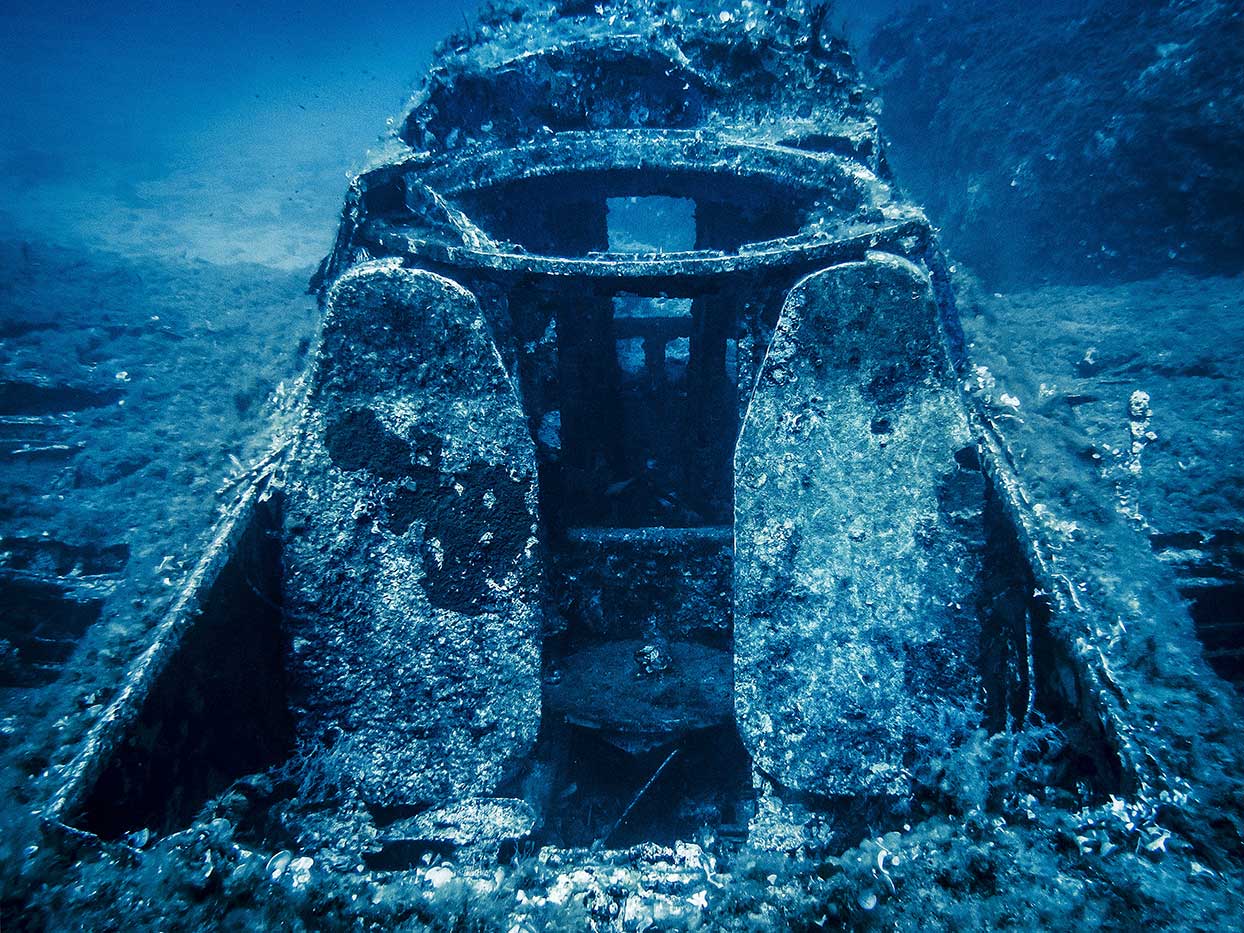
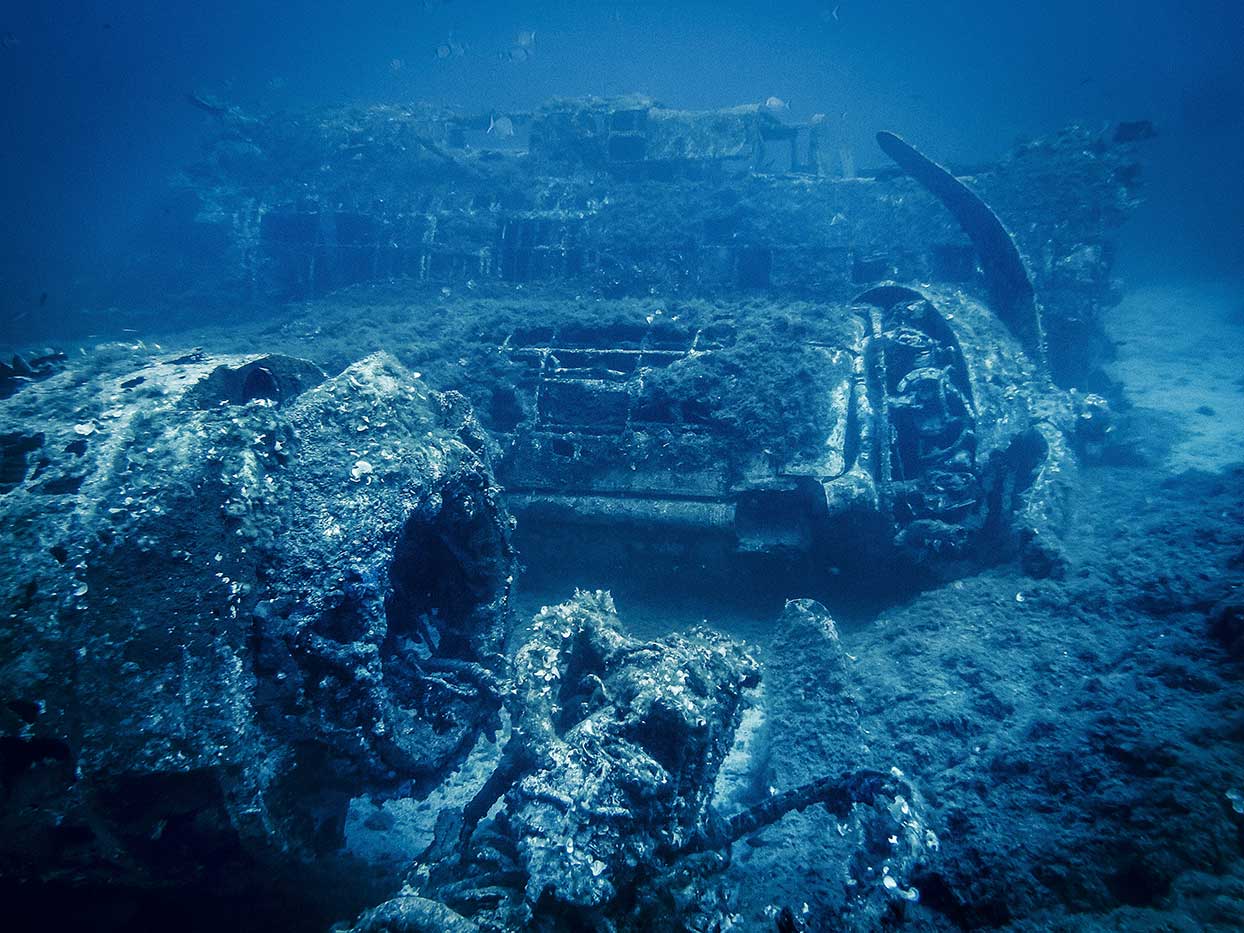
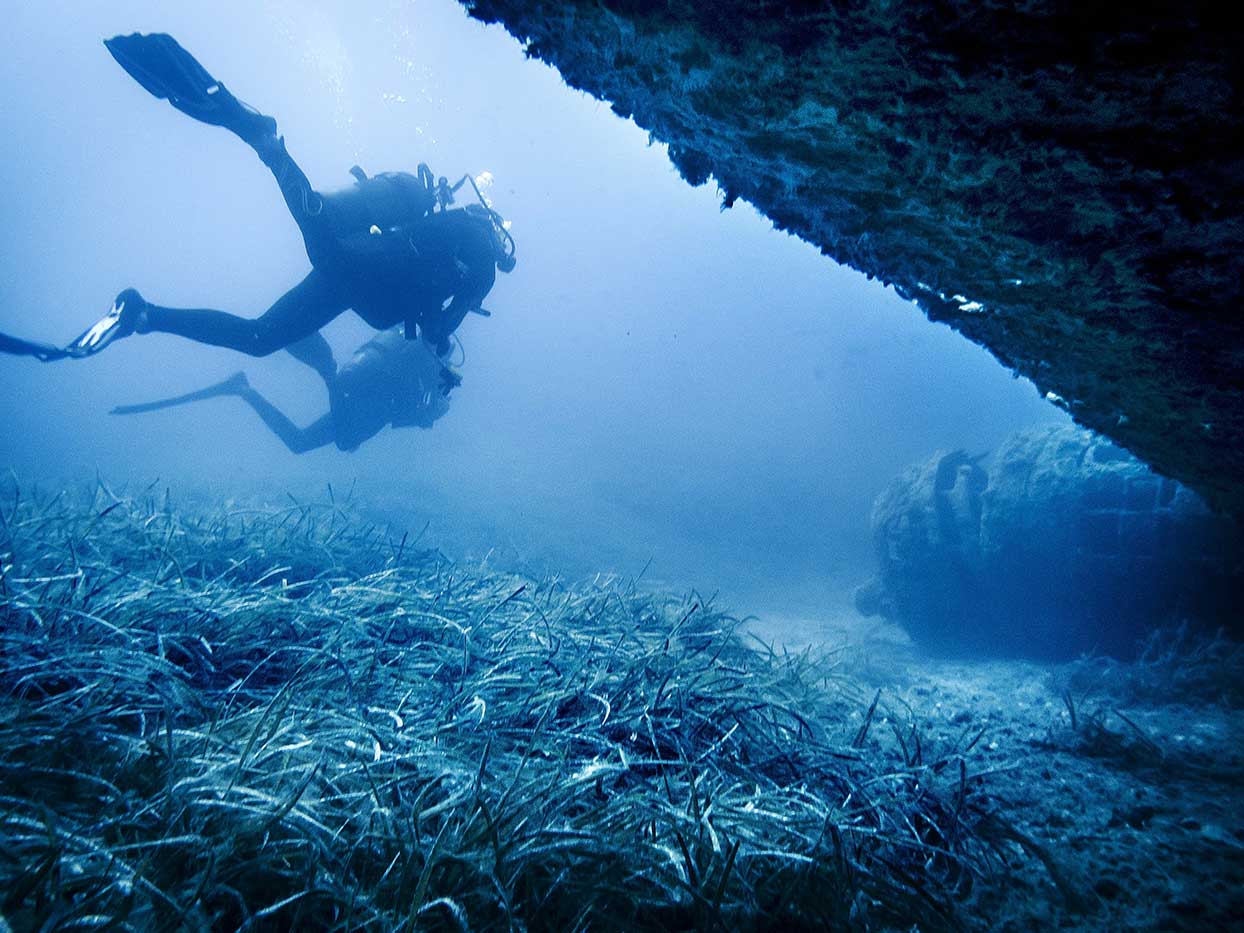
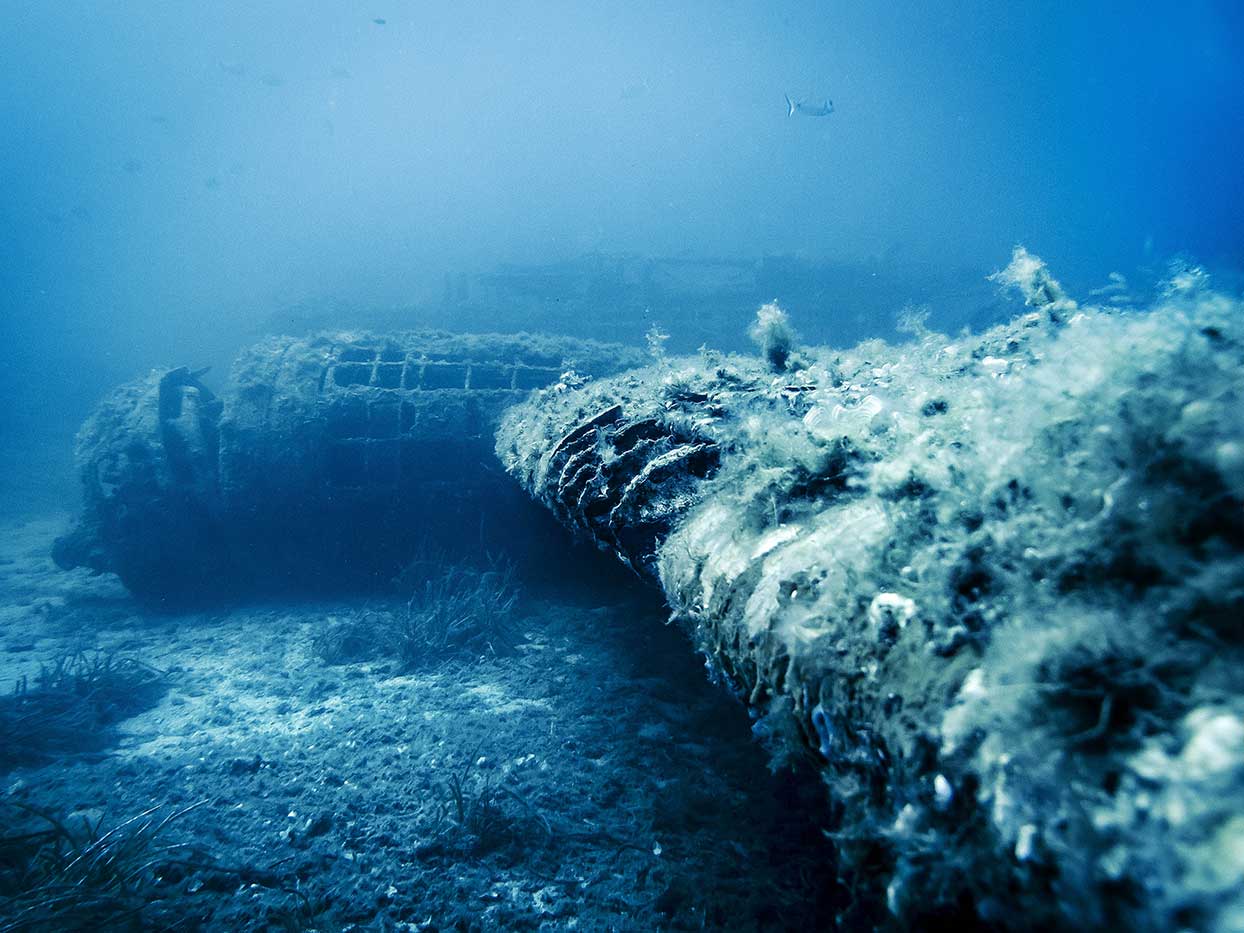
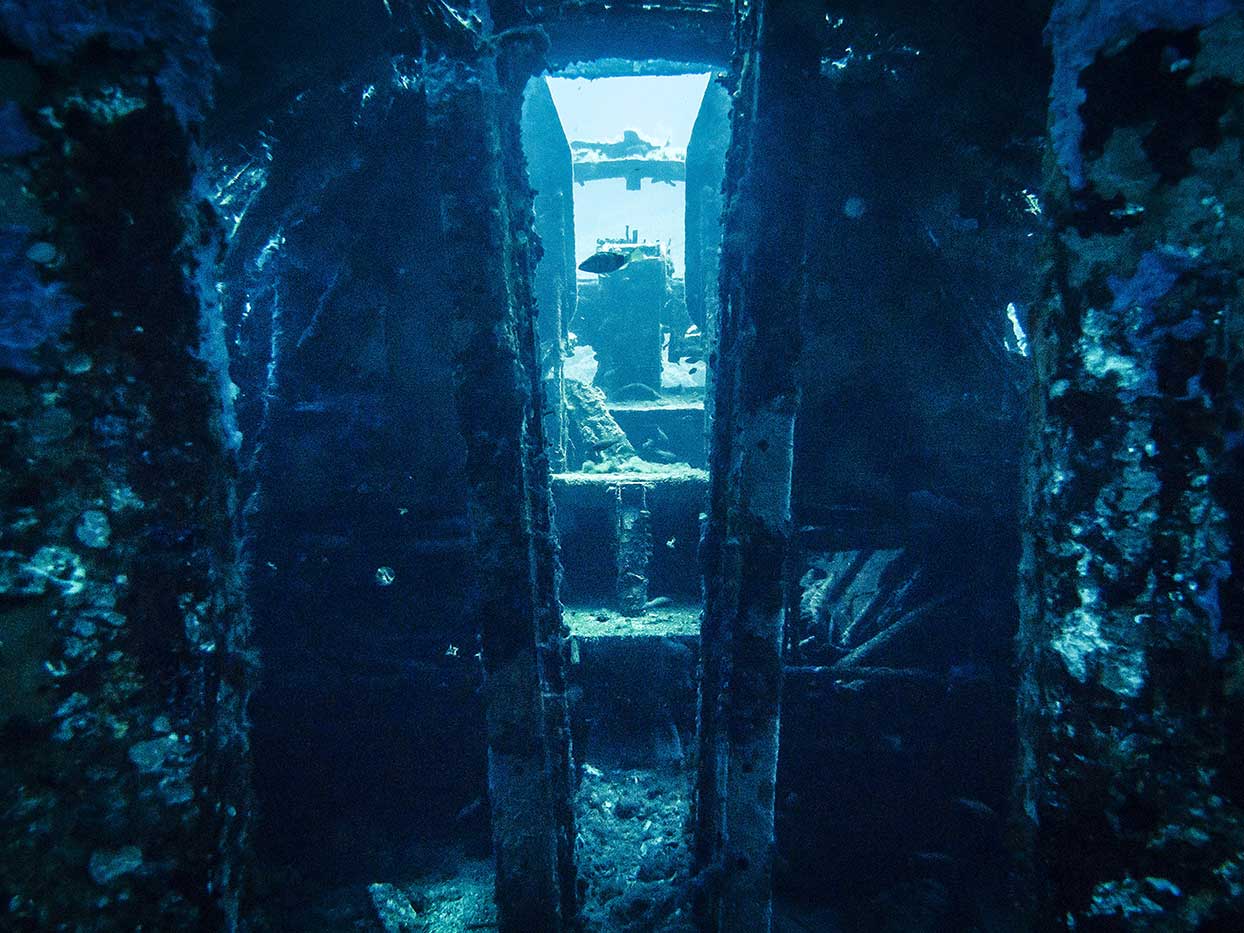
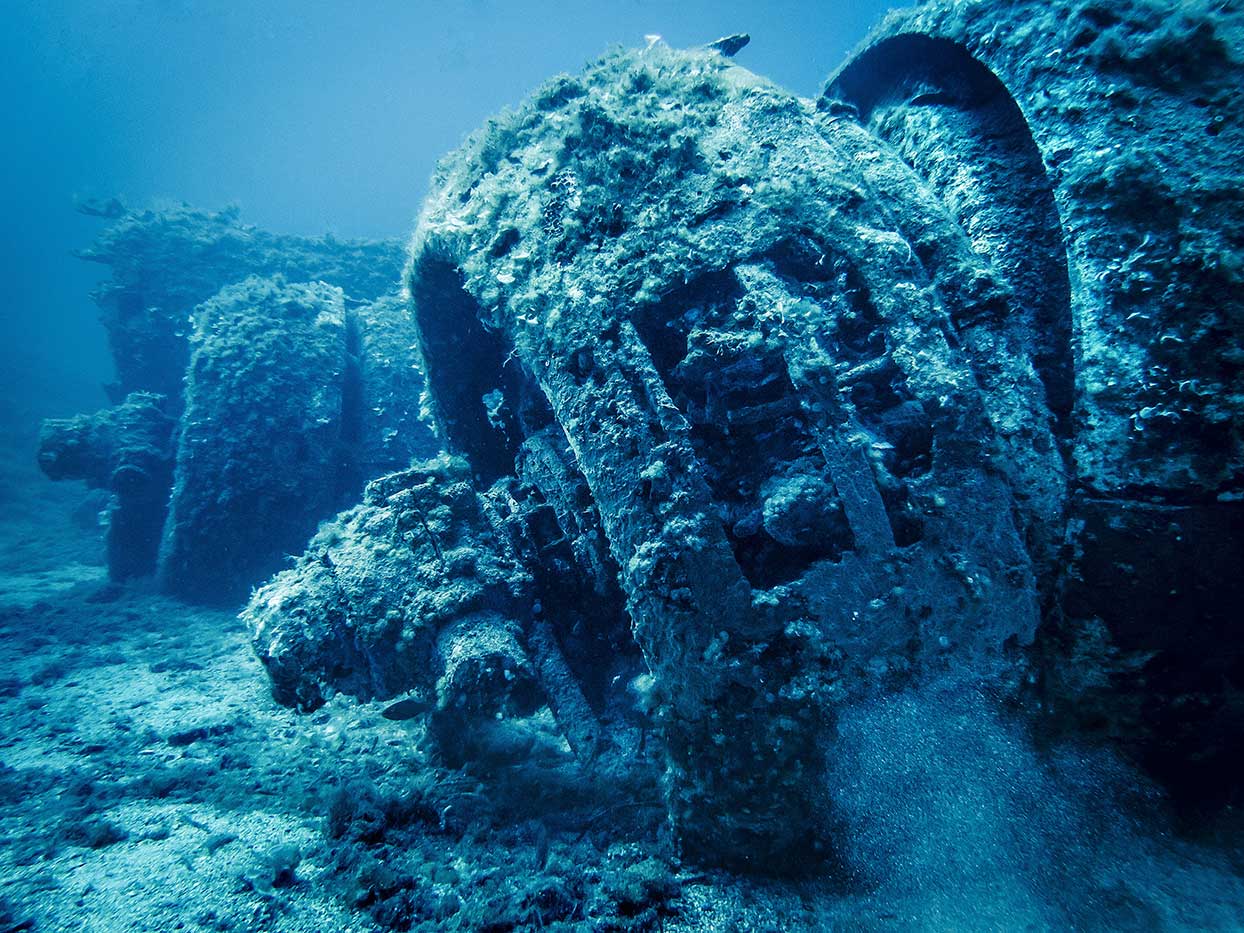
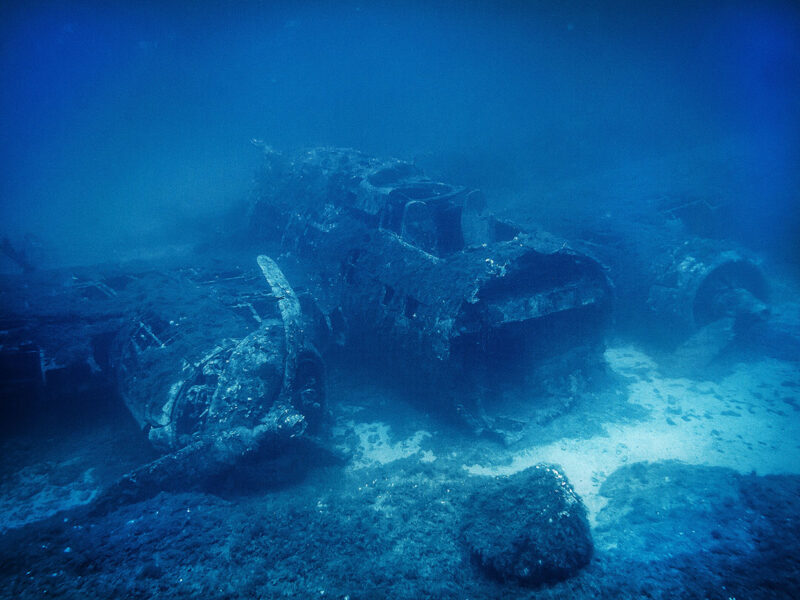
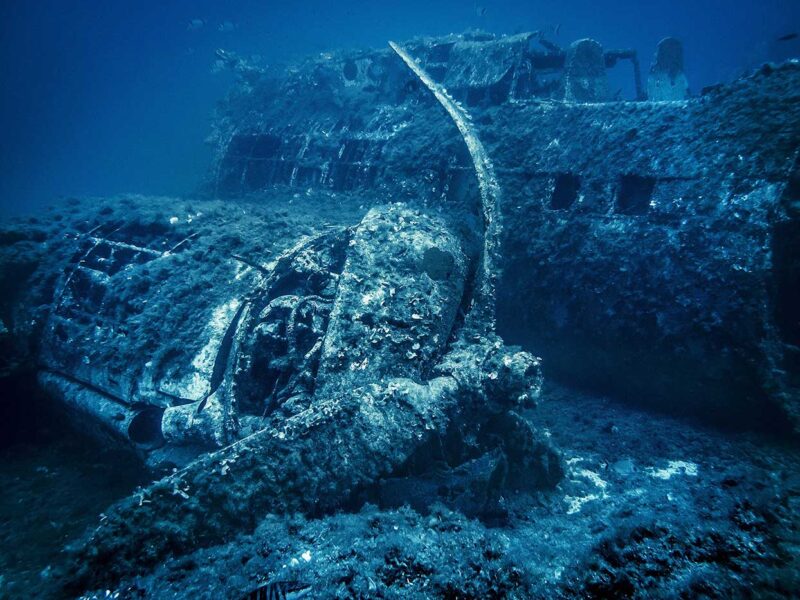
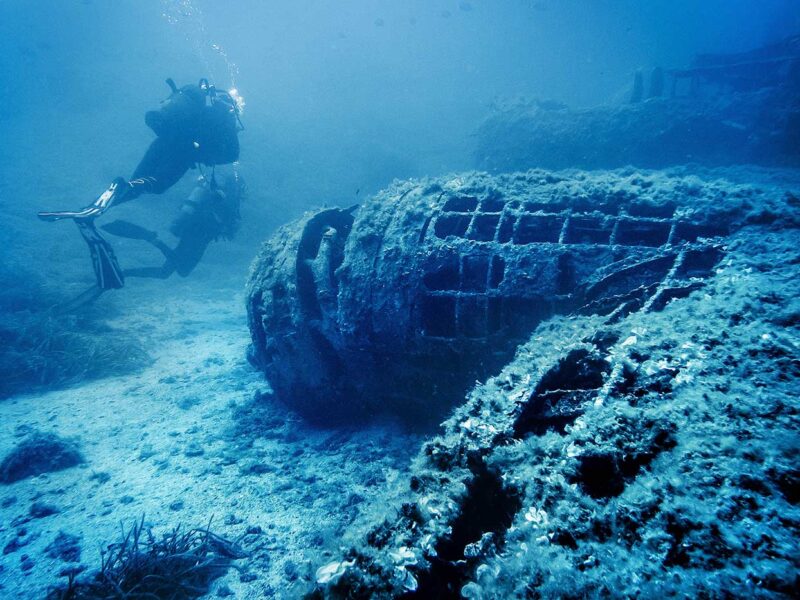
The B-17 wreck rests 28 meters below the surface off Calvi, Corsica, carrying a dramatic World War II history. Damaged during a 1944 mission over Italy, the heavy bomber was expertly ditched at sea, preserving both its crew and a moment frozen in time beneath the Mediterranean waves.
The Legend of the B-17 Flying Fortress
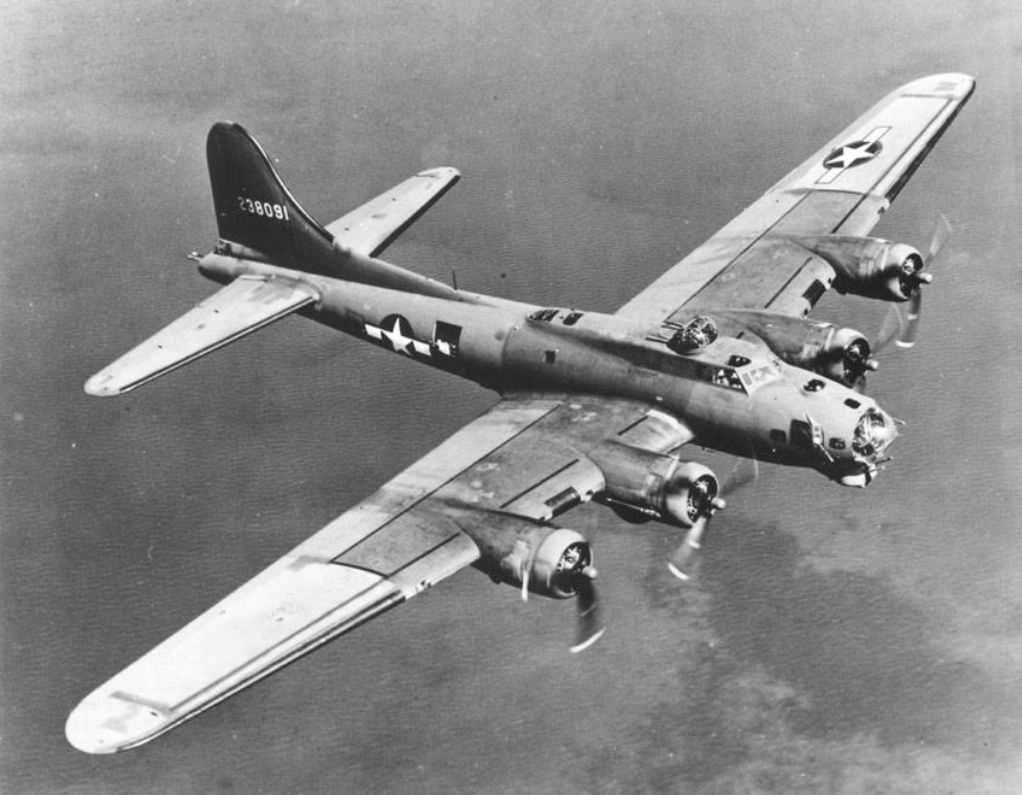
The B-17, also known as the Flying Fortress, was one of the most iconic heavy bombers used by the United States Army Air Forces during World War II. It served as the undisputed protagonist of strategic bombing campaigns targeting industrial facilities, military infrastructure, and urban centers across Nazi Germany and Axis-controlled territories. Armed with 13 machine guns, capable of carrying up to 8 tons of bombs, and boasting an operational range of approximately 3,200 km, the aircraft was a formidable war machine. Despite its heavy defenses, many were shot down by Axis flak and fighter aircraft. One of these legendary bombers rests today on the Mediterranean seabed off the coast of Calvi, Corsica, at a depth between 23 and 28 meters.
Year of the sinking
Max Depth (meters)
Length (meters)
Tonnage (full load)
The Final Mission Off Calvi
The bomber's final mission took place on February 14, 1944. Commanded by pilot Frank Chaplick, the B-17 flew as part of an escorted formation targeting the strategic railway hub of Verona, Italy. During the intense attack phase, the aircraft became isolated from its squadron and a primary target for German fighters. Under relentless enemy fire, the B-17 sustained devastating damage—several crew members were wounded or killed, rendering further defensive reaction impossible. In a desperate attempt to save the survivors, Chaplick steered the plane toward the airstrip at Calvi. Realizing the runway was too short for the bomber, he was forced to attempt an emergency water landing off the coast. Within two minutes of ditching, the surviving crew evacuated, and the aircraft sank beneath the waves.